
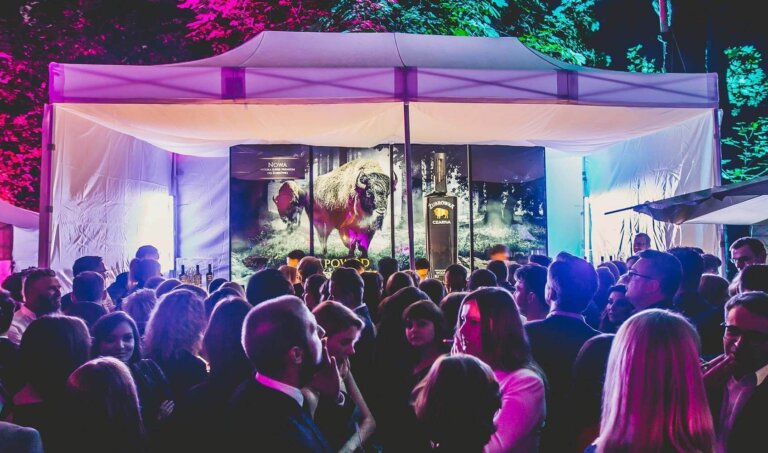
Start with the objective before discussing the equipment
The first mistake is often to start with the format, the size, or the equipment. In reality, everything starts with the objective . Do you want to generate leads, increase your visibility, create a customer relationship moment, host partners, sell on-site, launch a product, or simply ensure a brand presence? This answer determines everything else. An event designed for demonstration will not have the same pace as one intended to host VIP guests or provide temporary catering.
Once the objective is clear, it becomes easier to translate the event into concrete needs. What size audience are you expecting? How many people will need to work on site? Do you need to plan for a stage, a reception area, storage spaces, a technical room, a service point, or smooth circulation between different areas? This preparatory work prevents oversizing or, conversely, discovering too late that a passageway, a waiting area, or rain protection is missing.
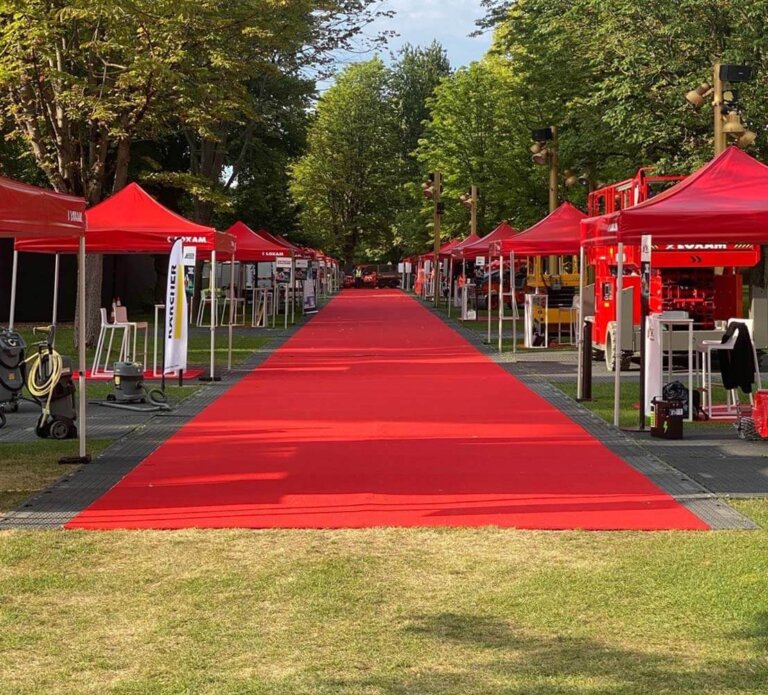
Choose the location based on actual usage.
A site can look appealing in photos but be very difficult to manage on the day. Therefore, site analysis must go beyond aesthetics. It’s essential to consider the ground conditions , vehicle accessibility, slopes, emergency access points, power supply points, temporary storage options, proximity to noise pollution, and, of course, exposure to wind and rain. A perfectly flat, hard surface is not treated the same as a soft lawn or a paved urban square.
The challenge isn’t just knowing where to place the equipment, but how to move teams, the public, and service providers around. A good site is one that allows for smooth unloading, setup without obstruction, welcoming without congestion, and dismantling without chaos. In outdoor events, the hidden logistics are just as important as the visible space. They often determine the quality perceived by visitors.
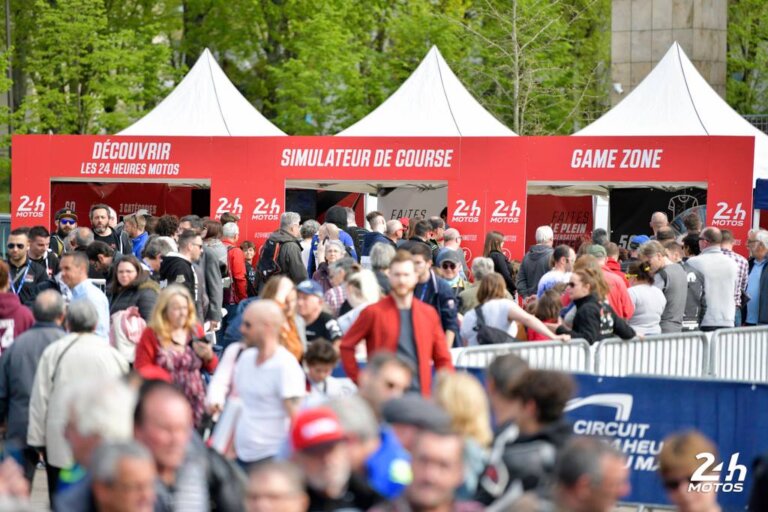
Structuring the space with clear zones
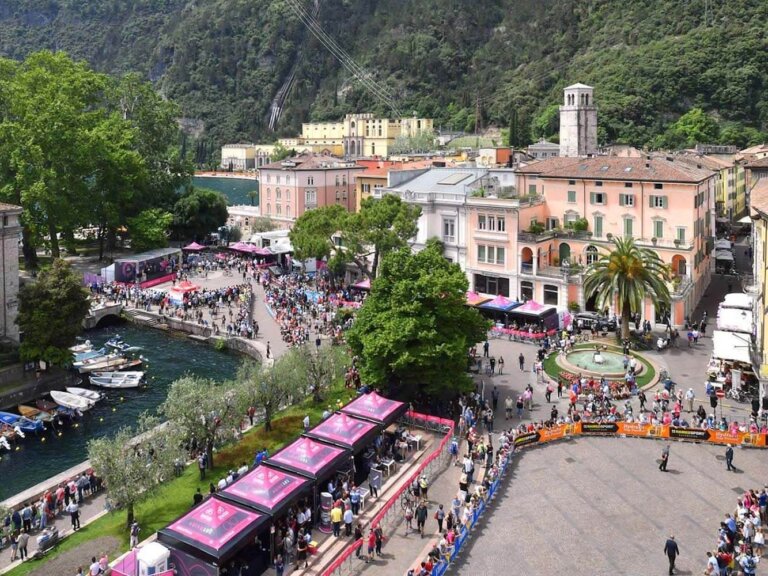
An outdoor event works best when it’s easy to understand at a glance. From the moment they arrive, visitors should know where they’re entering, where they can get information, where they’re waiting, where they can eat or drink, where they can interact, and where they’re leaving. This clarity comes from a simple layout: a clearly marked reception area, a main route, and then complementary spaces that flow seamlessly into one another without competing with each other.
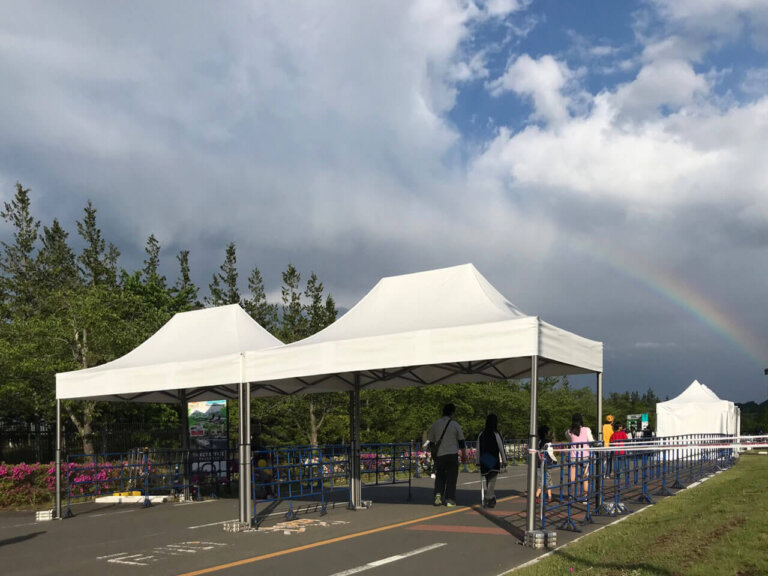
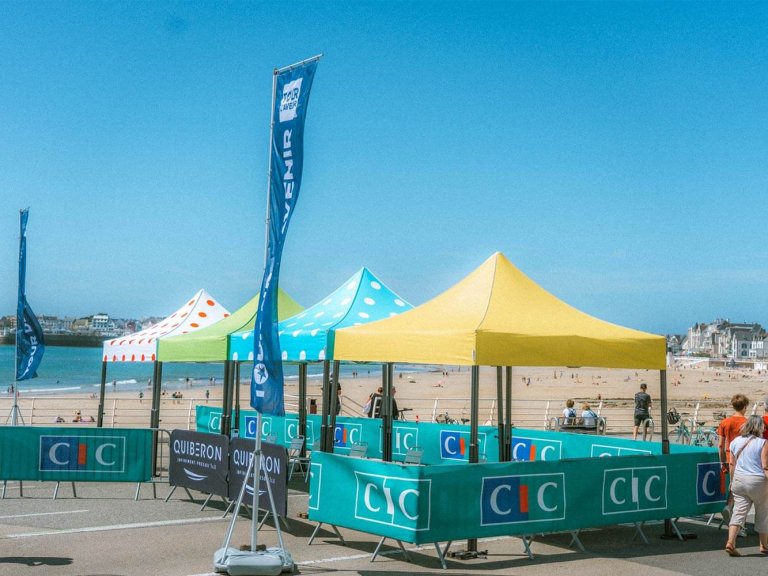
This is where the shelter plays a central role. A gazebo isn’t just for protection from the sun or rain. It helps define the space, indicate a function, structure the flow of people, and make the event more accessible. A folding tent placed at the entrance acts as a landmark; a food service area should be reassuring; a partner booth or activity space must remain visible and inviting. In fact, the shelter structures the experience as much as it protects it.
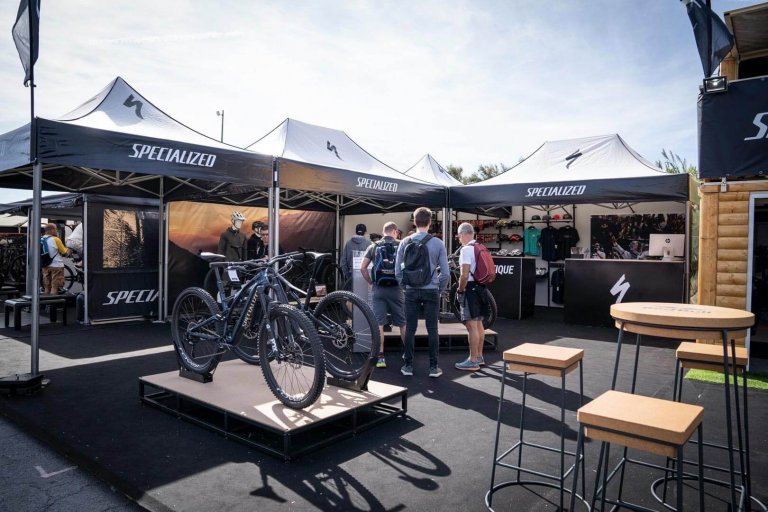
Sizing the right shelters in the right place
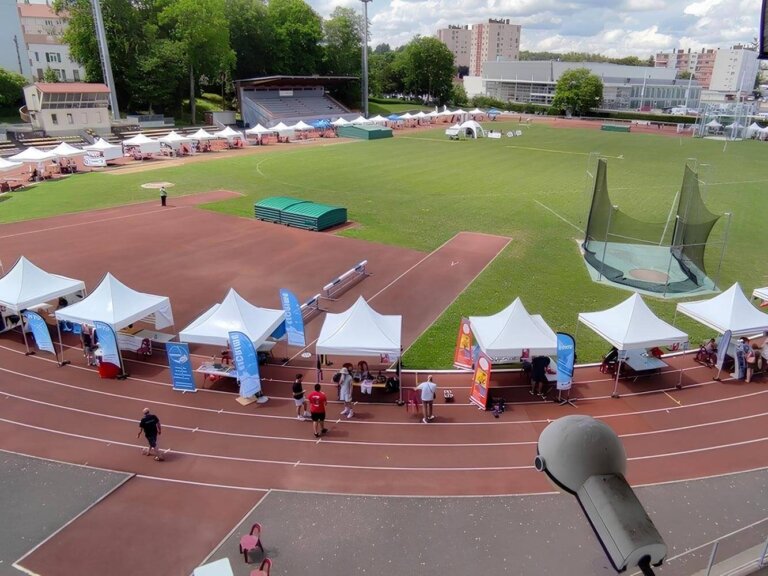
The choice of dimensions depends less on a standard size than on the intended use. A 3×3 meter tent may suffice for a reception area, a checkout counter, or an information corner. A 3×4.5 meter tent becomes relevant as soon as more linear space is needed for a stand, a service area, or a product presentation. A 6×3 , 6×4 , or 5×5 meter tent is appropriate when creating a demonstration area, a catering area, a formal reception area, or a more ambitious branding setup. In many cases, it is more practical to combine several modules than to opt for a single, overly monolithic structure.
What matters most is the flow of people around these shelters. A cramped entrance, a poorly placed counter, or a storage area visible to the public is enough to detract from the experience. A good layout anticipates actual movements: arrival, observation, pause, conversation, service, and then departure. Within this balance, a custom-designed tent can also become a powerful wayfinding tool, clearly displaying the promise or function of the space right from the approach.
Anticipate the weather without being affected by it
Organizing an outdoor event isn’t about hoping for good weather. It’s about planning for what happens if the weather isn’t good . Wind, rain, heat, morning humidity, or the fading light at the end of the day must be factored in from the very beginning of the design process. This will change the type of shelters, the choice of walls, the orientation of certain stands, the anchoring plan, the electrical equipment, and even the setup schedule.
A professional marquee must always be operated with a coherent anchoring plan : ballast weights, anchor points where the ground allows, appropriate straps, walls used judiciously, and gutters for adjoining modules. At the same time, comfort must be considered: shade, ventilation, air circulation, protection from side rain, and artificial lighting if the event is prolonged. Outdoors, the weather should never be an afterthought. It is part of the specifications.

Think of safety and regulations as a foundation, not as a constraint
As soon as an event welcomes the public, safety becomes a prerequisite. This involves verifying site-related obligations, required permits, potential committee approvals or discussions with the town hall and the fire and rescue service (SDIS) , emergency access management, signage, and structural requirements. Depending on the configuration, the canopies must meet an M2 fire rating, and some events fall under the CTS (Technical Safety Committee) framework.
But beyond the written rules, safety hinges on simple decisions: using the necessary ballast, keeping walkways clear, protecting cables, ensuring reception areas are clearly marked, separating technical zones from the public, providing obvious exits, storing equipment properly, and briefing the teams. A well-prepared event gives an impression of smooth running; this smoothness is almost always the result of meticulous planning.
Building a discreet but robust logistics system
The public doesn’t see the logistics when they’re successful. They only see an event that seems to flow naturally. To achieve this effect, you have to think about the invisible sequences very early on: unloading order, arrival times, allocation of roles, packaging storage, staff supplies, water, electricity, product reserves, waste collection, technical traffic flow, and the end-of-day contingency plan.
In practice, every visible space needs a functional “back end.” A service area needs storage. A reception area needs document support, a payment terminal, or a scanner. An event requires protected cables, equipment storage, and sometimes a charging point. A well-chosen folding tent facilitates this logistics because it offers a clear, modular structure compatible with useful accessories such as walls, counter skirts, lighting, or gutters.
Pay attention to the welcome and brand readability
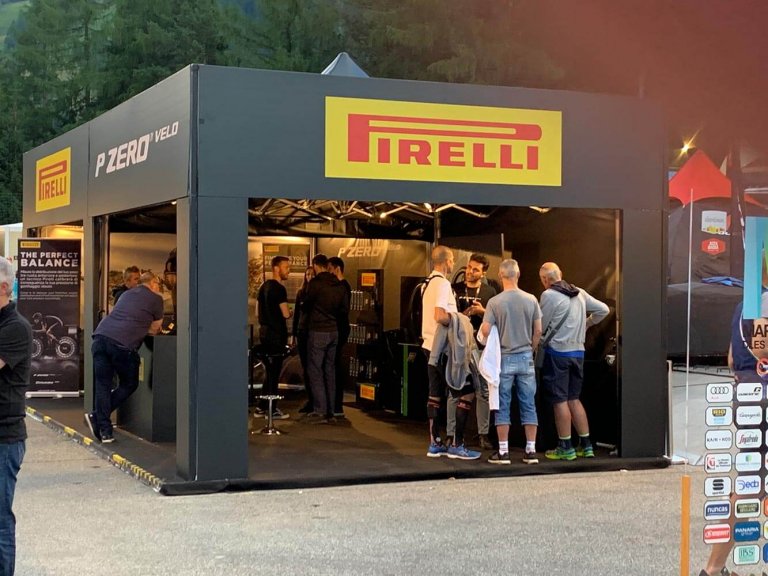
An outdoor event is more than just a series of shelters. It needs to be immediately understandable. Who’s organizing it? Where does the route start? Where can I ask a question? Where do I register? Where can I get food? This is where signage and branding become strategic. A well-designed , custom-made tent , with a main message that’s legible from afar, clear banners, and functional walls, transforms the structure into a brand landmark.
This clarity is invaluable in B2B. It strengthens credibility and improves the quality of interactions. A visitor who quickly understands where they are and what’s on offer is more receptive to networking. This is true for a single booth, but even more so for a multi-zone setup where each area must clearly indicate its function: reception, demonstration, partners, catering, service, VIP, storage, or entertainment.
Prepare the teams as well as the equipment
A well-organized event can be undermined by a team that only discovers the site at the last minute. Conversely, a well-briefed team ensures a smooth event even when conditions change. The briefing should cover everyone’s role, the site map, key times, procedures to follow in case of rain or wind, equipment operation, technical contact points, and priority information to be given to the public.
It’s also helpful to think in terms of sequences: who opens? who welcomes? who restocks? who monitors the technical areas? who makes decisions in case of weather changes? Outdoors, decisions sometimes need to be made quickly. The clearer the roles, the more flexible and professional the event becomes.
Pay close attention to the disassembly and feedback process.
The success of an event extends beyond its closing. Dismantling should be considered a separate process, not just a final, drawn-out phase. A clear order of dismantling must be established, printed materials protected, canvases dried if necessary, equipment quickly inspected, accessories repacked, and any repairs or replacements identified before the next event. This is how you protect the durability of a professional aluminum gazebo and ensure its long-term operational quality.
Feedback is also crucial. What went well? Where did the public stagnate? Which areas were underutilized? Which weather conditions were the most challenging? This assessment allows for improvements to the plan, corrections to signage, reinforcement of certain equipment, or a redesign of the layout. An outdoor event isn’t optimized by intuition; it progresses through iteration.
Priority security points
- Objective, audience size and functions of each area
- Site, access logistics and weather conditions
- Shelter selection, dimensions and anchoring plan
- Signage, branding, reception and traffic flow
- Team briefing, safety, dismantling and lessons learned